
Helpful guides for learning the Quran.
Written by qualified and experienced instructors. Reviewed for religious accuracy.

The Best Age to Start Hifz (And Why It's Never Too Late)
What's the best age to start Hifz? A teacher's honest answer on readiness signs, the ideal window for children, and why adults can memorize the Quran too.
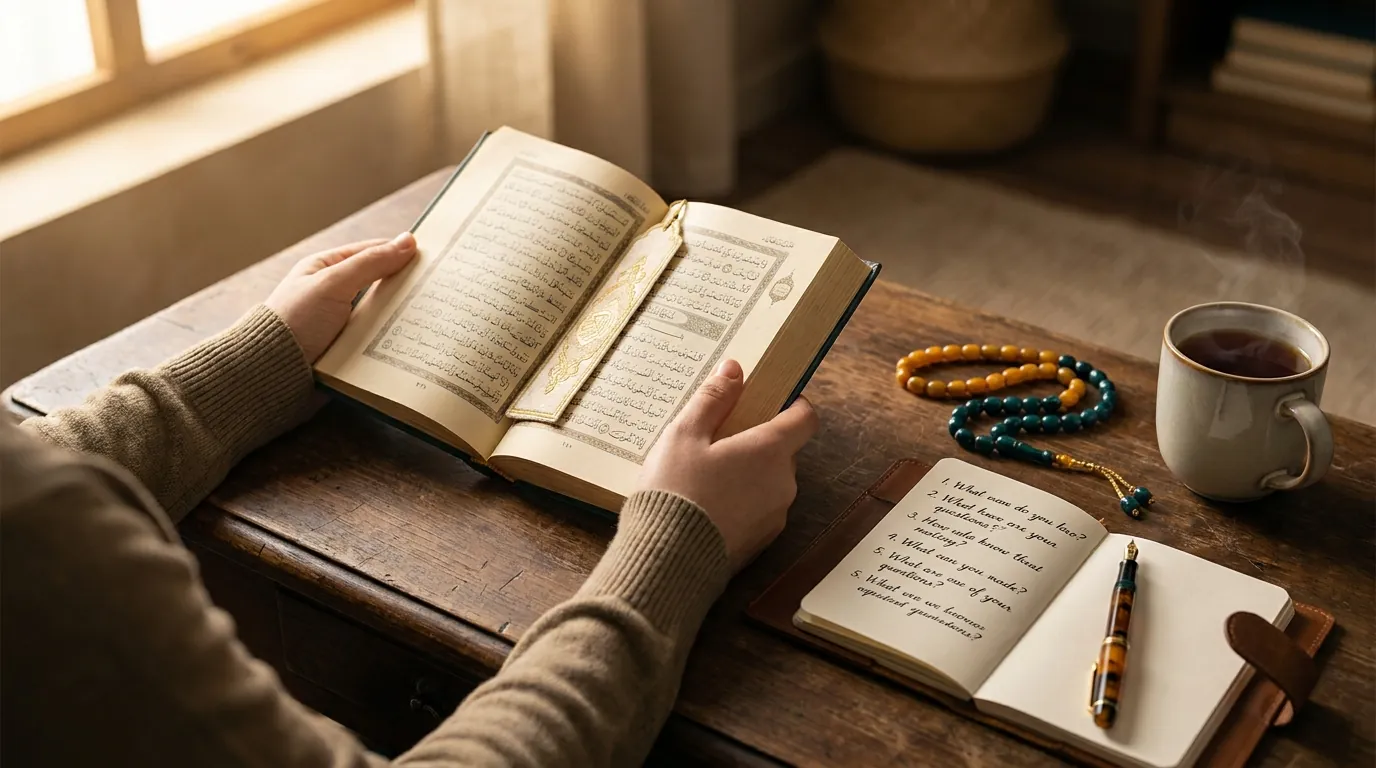
Choosing the Right Tajweed Teacher: 5 Questions to Ask
Don't pick a Tajweed teacher on price alone. Ask these 5 questions before you commit — and what the right answers sound like.

Choosing a Female Quran Teacher for Your Child: A Parent's Guide
Looking for a female Quran teacher for your child online? What to look for, the questions to ask, and why a patient female teacher works so well for young learners.
First 10 Surahs Every New Muslim Should Learn
The 10 most important surahs for a new Muslim to learn first — for prayer, for memorization, for daily practice. With Arabic, transliteration, and translation.

How Online Quran Classes Actually Work in 2026
A walk-through of what an online Quran class looks like in 2026 — from booking, to joining, to recording and after-class progress notes.

How to Memorize the Quran: A 12-Week Starter Plan
A realistic 12-week plan to memorize Juz Amma — the foundation of any serious Hifz journey. Daily structure, revision system, motivation tips, no-fluff.
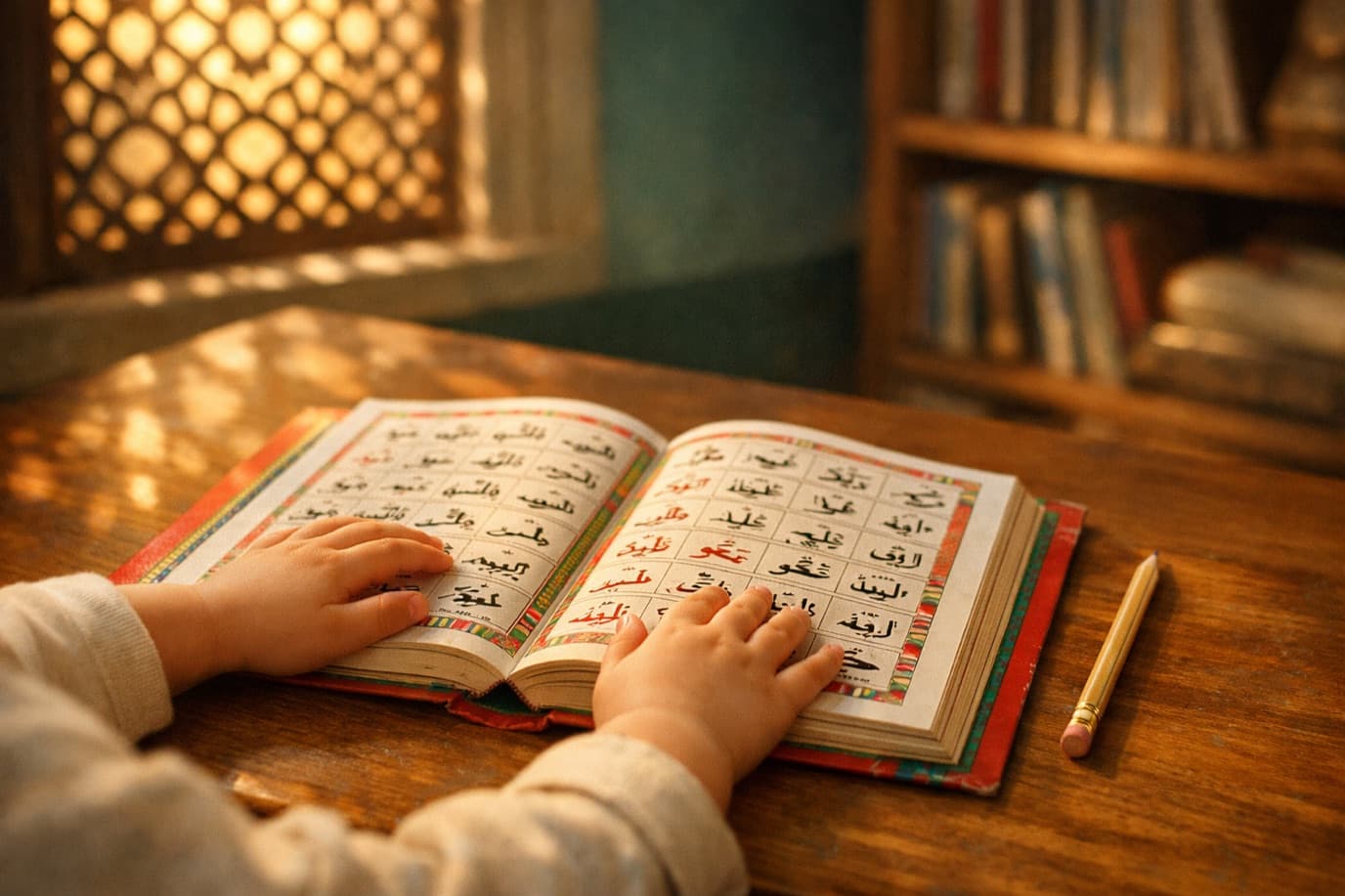
How to Teach Noorani Qaida to a Child: A Step-by-Step Guide for Parents
A practical, stage-by-stage guide to teaching Noorani Qaida to a young child — how to start, how long each stage takes, and the mistakes that slow kids down.
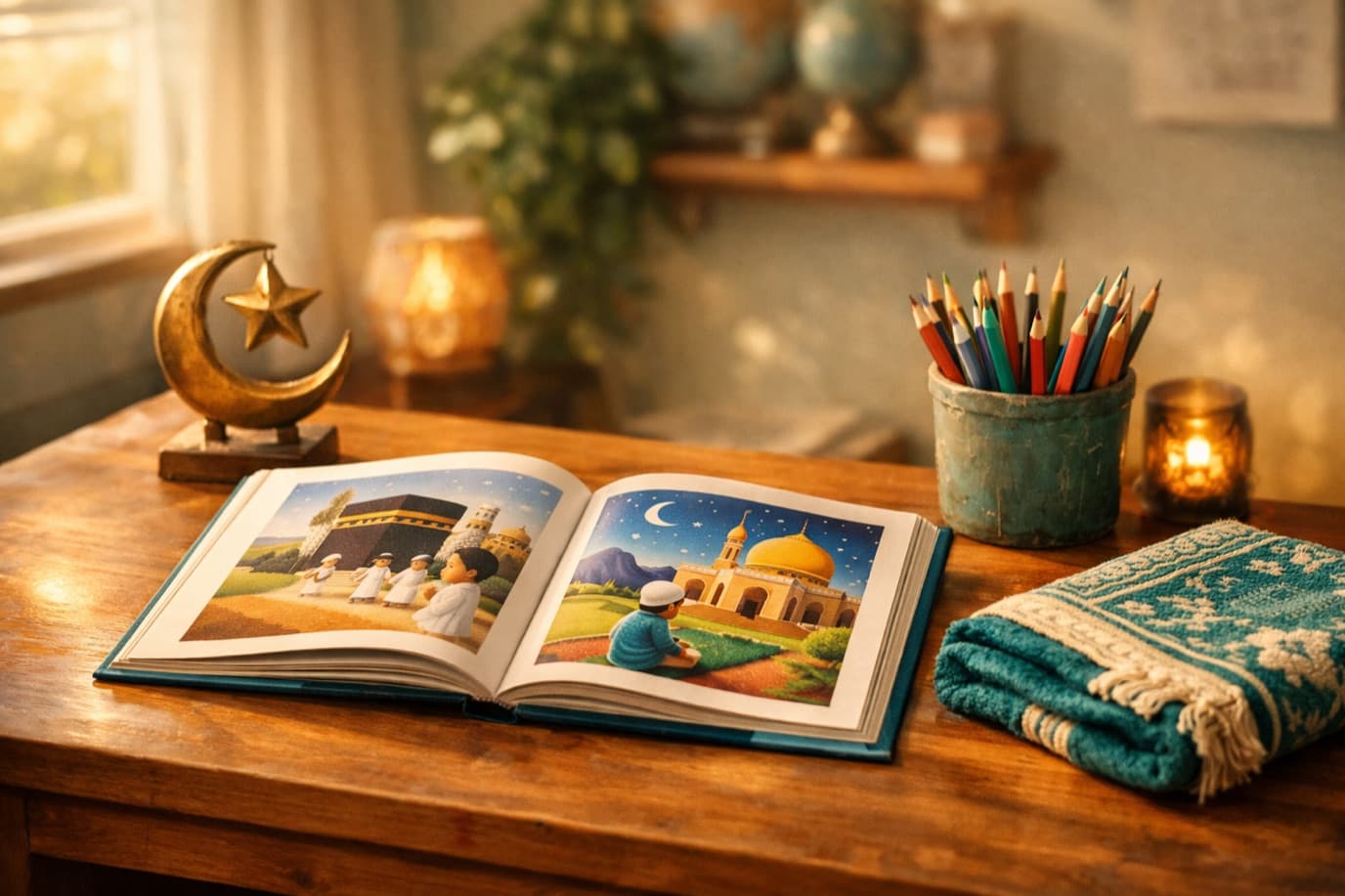
Islamic Studies for Kids: What Your Child Should Learn (and When)
A parent's roadmap to Islamic studies for kids — the core topics children should learn, in what order, alongside Quran reading. Aqeedah, seerah, duas, and manners.
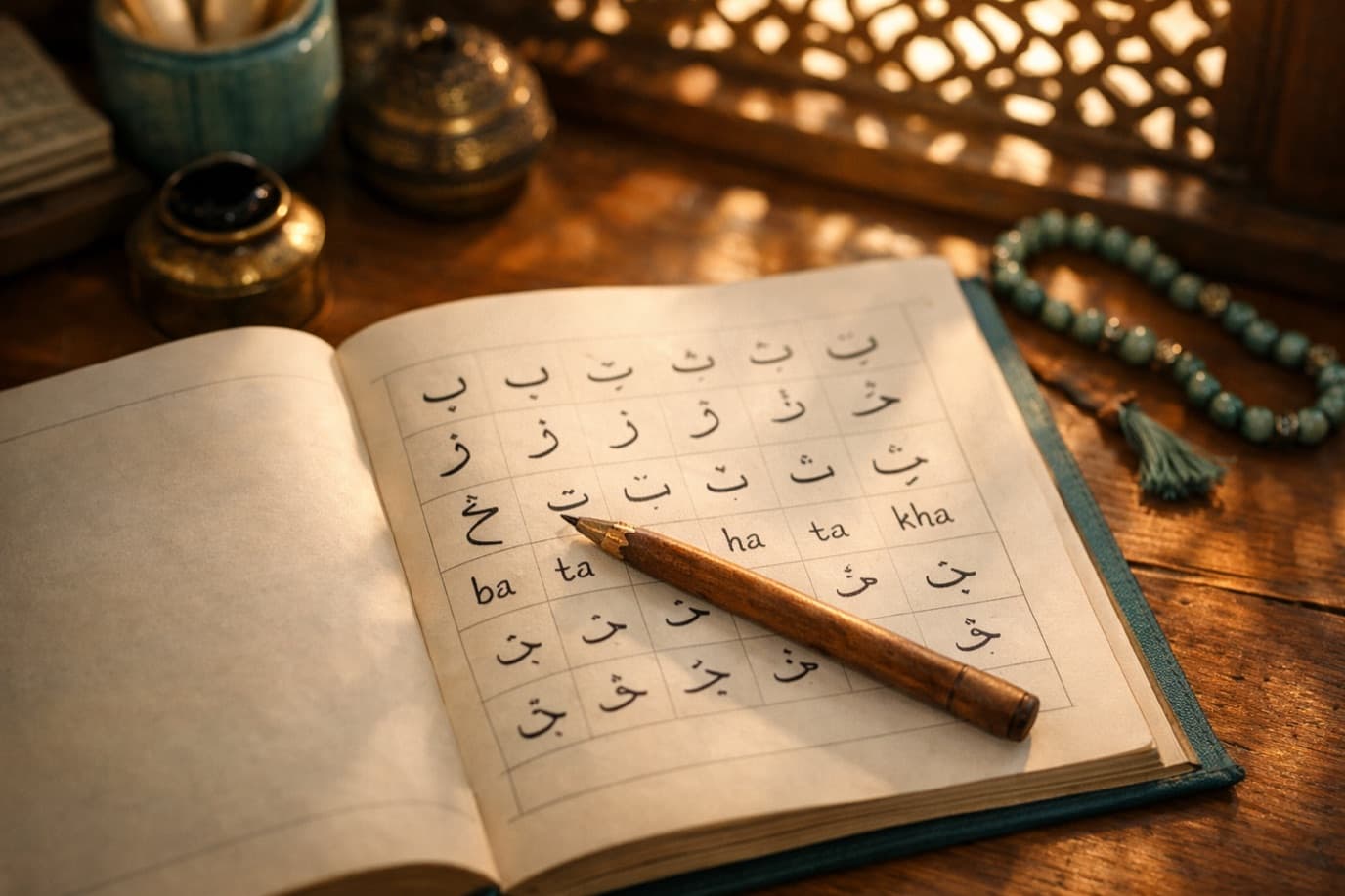
Learn Arabic to Read the Quran: A Beginner's Roadmap
Do you need to learn Arabic to read the Quran? A clear beginner's roadmap — from the alphabet to reading and understanding — and how much Arabic you really need.

Modern Standard Arabic vs Quranic Arabic: Which Should You Learn First?
The difference between Modern Standard Arabic and Quranic Arabic explained — and which one to learn first depending on your goal.
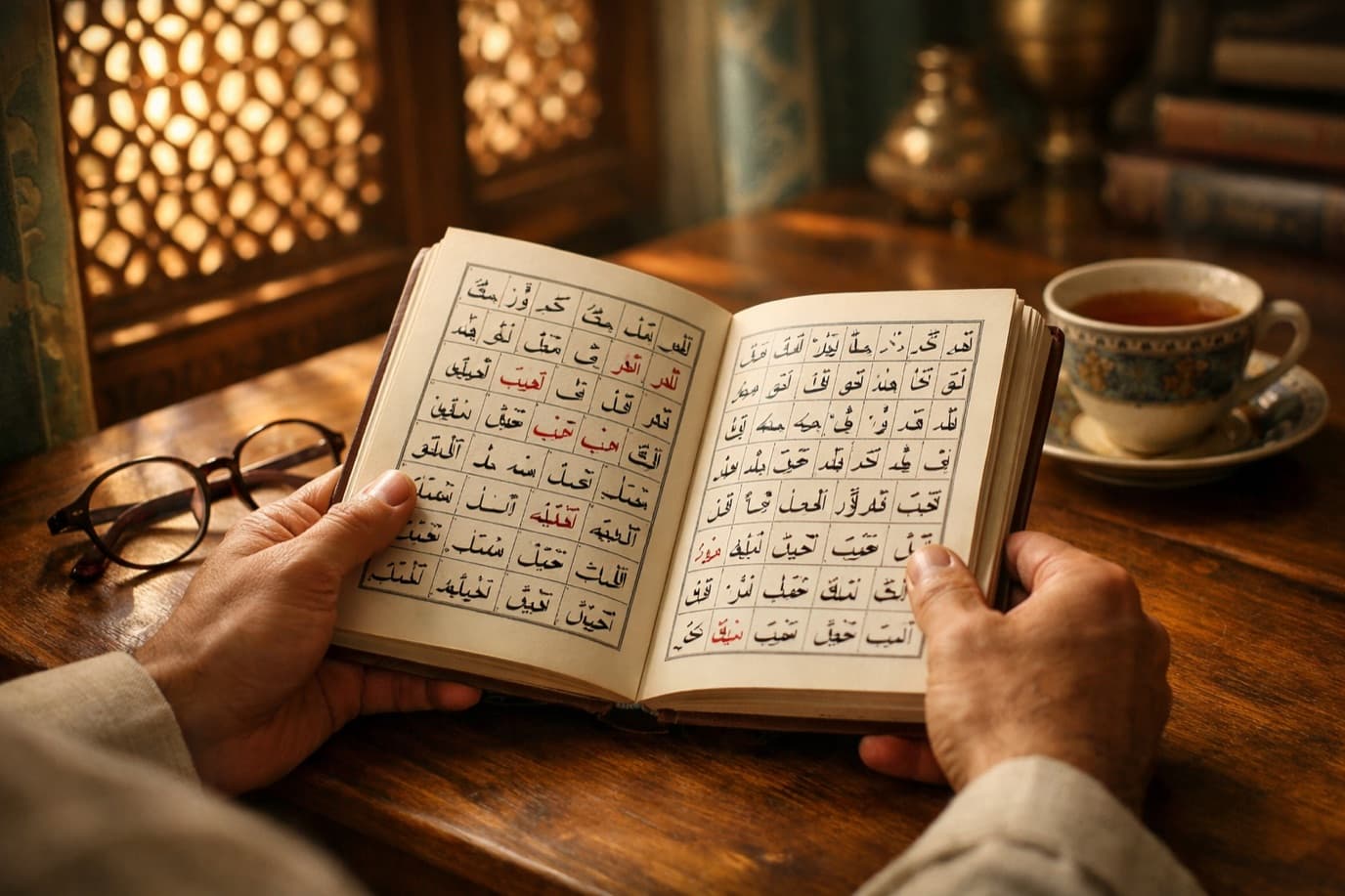
Noorani Qaida for Adults: How to Start Reading the Quran From Scratch
Never learned to read Arabic? Noorani Qaida for adults is where you begin. A realistic plan for busy adults and reverts to read the Quran from zero.
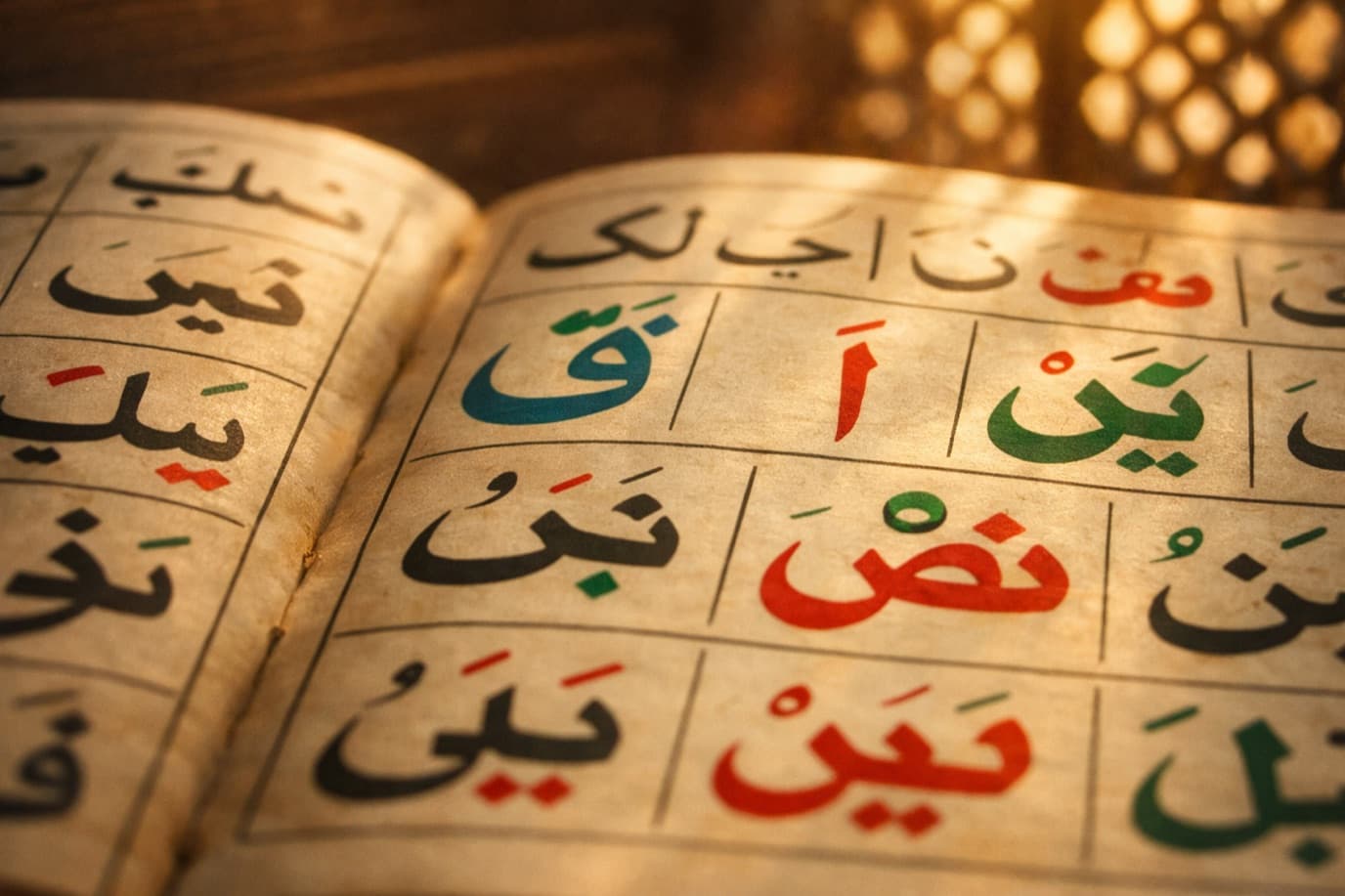
Noorani Qaida With Tajweed: Building the Right Foundation From Day One
Should Noorani Qaida include tajweed? Yes — here's how the Qaida builds tajweed in from the start, why it matters, and how to avoid learning mistakes you'll have to undo.

One-on-One vs Group Quran Classes: Which Is Better?
One-on-one or group Quran classes? An honest comparison of pace, cost, accountability, and results — and how to choose the right format for your child or yourself.

Online Tajweed Classes for Adults: What to Expect and How to Start
Thinking about online Tajweed classes as an adult? Here's what a class actually looks like, how long it takes to improve, and how to fix years of reading habits.

How to Find a Private Quran Tutor Online: A Practical Guide
Looking for a private Quran tutor online? How to vet qualifications, what a good 1-on-1 tutor should offer, questions to ask, and how to try before you commit.

Quran Classes for Sisters Online: Learning With a Female Teacher
Online Quran classes for sisters — private 1-on-1 lessons with a qualified female teacher. For adult women and reverts learning to read, recite, or memorize from home.
Quran Memorization for Adults: Is It Too Late to Start?
Can adults memorize the Quran? Yes. A realistic method for Quran memorization for adults — how to build a routine, revise, and protect what you've memorized.
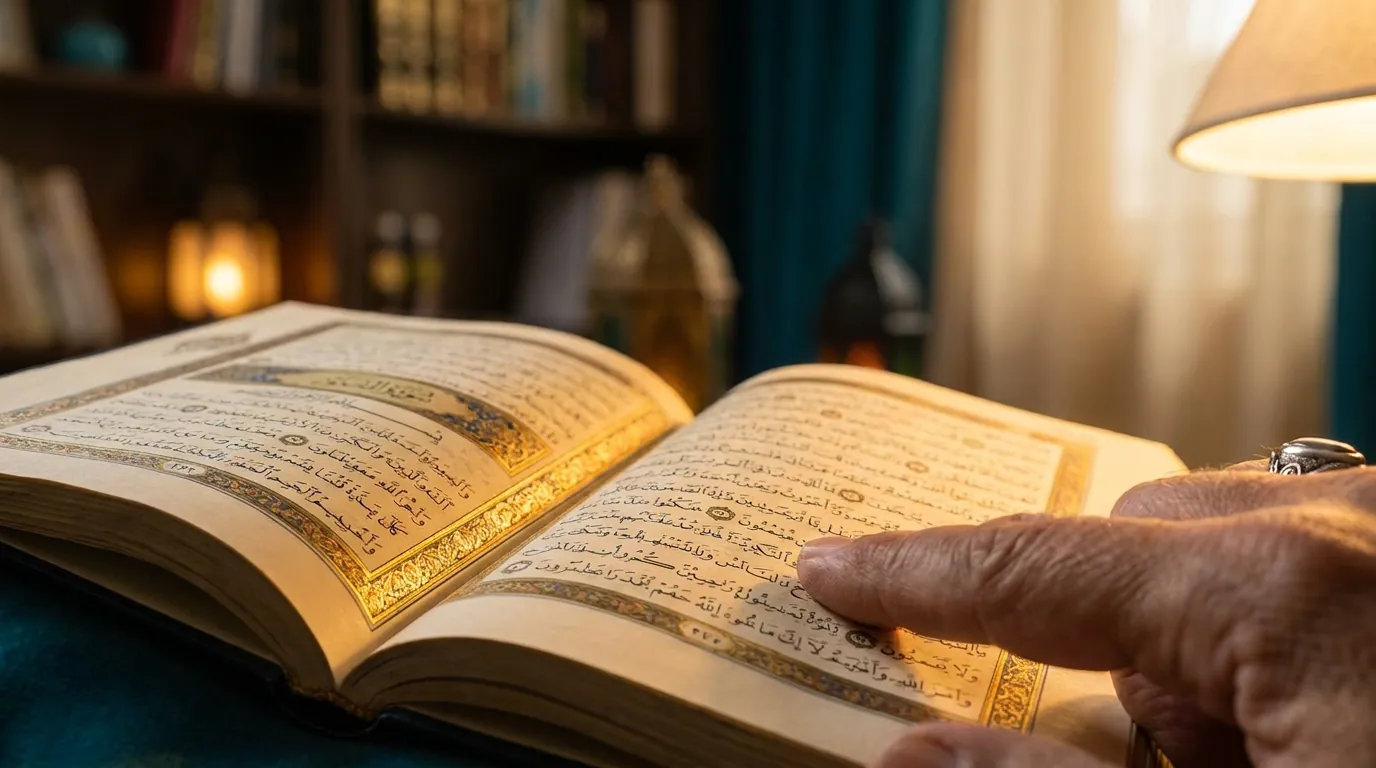
Tajweed Rules: A Complete Guide for English Speakers
A clear, structured guide to the 7 essential Tajweed rules — Ikhfa, Idgham, Iqlab, Izhar, Qalqala, Madd, Ghunna — written for English-speaking parents and adult learners.

Teaching the Quran to Your 6-Year-Old: A Parent's Guide
Practical, age-appropriate advice for teaching Arabic letters and the first surahs to a 6-year-old. What to expect, what to avoid, and when to bring in a teacher.

What to Expect in Your First Online Quran Class
Nervous about your first online Quran class? Here's exactly what happens — what to prepare, what the teacher will do, and how to know if it's a good fit.